Introduction
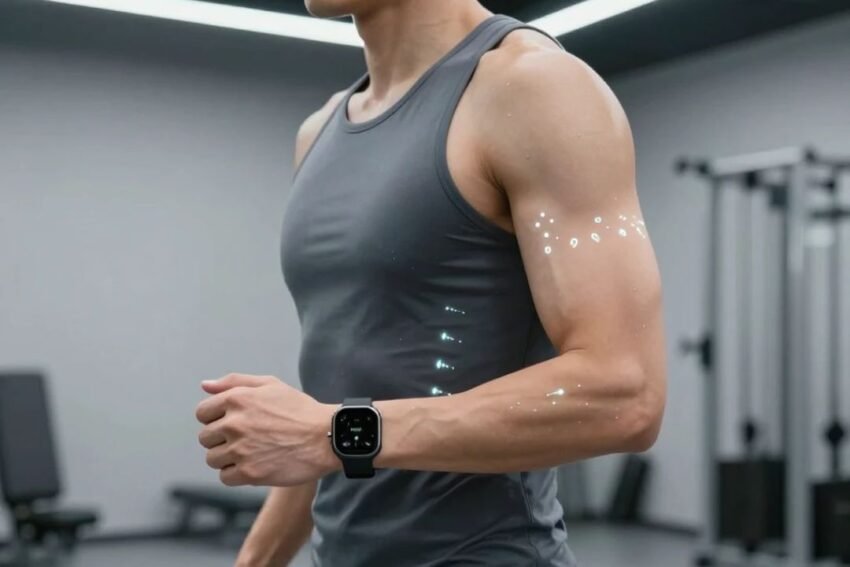
Technology has become a powerful force in the modern sports industry, changing how athletes train, compete, recover, and improve performance. Among the most important innovations, smart wearables and future sports technologies are creating new possibilities for athletes, coaches, and teams worldwide. Devices such as fitness trackers, smart watches, GPS sensors, and AI-powered monitoring systems are providing valuable insights that were impossible to collect in the past.
The rise of Tech in Sports: Smart Wearables & Future Innovation represents a major shift toward data-driven athletics. Today, professional athletes and sports organizations use advanced technology to monitor physical condition, prevent injuries, optimize training programs, and achieve better results.
From real-time performance tracking to artificial intelligence-powered coaching solutions, smart wearable technology is shaping the future of sports. This article explores how wearable devices are transforming athletics, the latest innovations, and what the future holds for sports technology.
The Growing Role of Technology in Sports
Sports have always depended on talent, discipline, and strategy. However, modern technology has introduced advanced methods that help athletes understand their bodies and improve their abilities.
Technology now supports:
- Performance measurement
- Training optimization
- Injury prevention
- Recovery management
- Real-time decision-making
- Fan engagement
- Sports analysis
Professional teams are increasingly using digital solutions to gain a competitive advantage and improve athlete performance.
What Are Smart Wearables in Sports?
Smart wearables are electronic devices designed to collect and analyze data about an athlete’s body, movements, and performance. These devices use sensors, artificial intelligence, and wireless connectivity to provide real-time information.
Common sports wearables include:
- Smart watches
- Fitness trackers
- GPS performance monitors
- Smart clothing
- Heart rate sensors
- Motion tracking devices
- Smart footwear
These technologies allow athletes and coaches to understand performance levels and make better training decisions.
How Smart Wearables Improve Athlete Performance
Smart wearable devices provide detailed information that helps athletes maximize their potential.
Real-Time Performance Tracking
Wearables can monitor:
- Running speed
- Distance covered
- Heart rate
- Acceleration
- Movement patterns
- Energy levels
This information allows coaches to adjust training programs according to individual athlete needs.
Personalized Training Programs
Every athlete has different physical abilities and goals. Smart wearables collect personal data that helps create customized training plans.
For example, a coach can determine:
- When an athlete needs more recovery
- How intense training should be
- Which skills require improvement
- Whether performance is improving
Personalized training helps athletes perform better while reducing unnecessary physical stress.
Smart Watches and Fitness Trackers in Sports
Smart watches and fitness trackers have become popular among both professional athletes and everyday fitness users.
Modern devices can measure:
- Heart rate
- Sleep patterns
- Calories burned
- Blood oxygen levels
- Workout intensity
- Recovery status
Athletes use this information to monitor overall health and maintain peak physical condition.
Advanced smart watches also include GPS tracking, allowing athletes to analyze movement and outdoor training sessions.
GPS Technology for Athletic Performance
GPS-based wearable devices are widely used in sports such as football, basketball, rugby, and athletics.
These systems track:
- Player movement
- Distance traveled
- Sprint speed
- Position changes
- Workload intensity
Coaches use GPS data to understand player performance and develop better strategies.
For team sports, GPS technology helps identify:
- Player fatigue
- Tactical movement
- Training effectiveness
- Injury risks
Smart Clothing: The Future of Sports Wearables
Smart clothing is one of the most exciting developments in sports technology.
Unlike traditional wearable devices, smart clothing integrates sensors directly into fabrics.
Benefits of Smart Clothing
Smart apparel can monitor:
- Muscle activity
- Body temperature
- Posture
- Breathing patterns
- Movement efficiency
Athletes can receive detailed feedback without wearing additional devices.
Future smart clothing may become a standard part of professional sports training.
Artificial Intelligence and Smart Wearables
Artificial Intelligence is making wearable technology more powerful and useful.
AI systems analyze data collected from wearable devices and provide meaningful insights.
AI Applications in Sports Wearables
AI helps with:
- Performance predictions
- Injury risk detection
- Training recommendations
- Recovery analysis
- Personalized coaching
For example, AI can identify unusual movement patterns that may indicate potential injury risks before they become serious problems.
Smart Wearables for Injury Prevention
Injuries are one of the biggest challenges in professional sports. Smart wearable technology helps athletes stay healthier by monitoring physical stress.
Wearables analyze:
- Training workload
- Muscle fatigue
- Recovery time
- Movement changes
- Body stress levels
Coaches and medical teams can use this information to adjust training schedules and reduce injury chances.
Recovery Monitoring
Recovery is essential for athletic success. Smart devices track:
- Sleep quality
- Heart rate changes
- Physical readiness
- Stress levels
This allows athletes to recover properly before returning to intense training.
The Role of Data Analytics in Sports Wearables
Smart wearables generate huge amounts of performance data. Advanced analytics tools transform this information into useful strategies.
Data analytics helps teams:
- Evaluate player performance
- Compare training results
- Improve game strategies
- Identify strengths and weaknesses
- Predict future performance
The combination of wearable technology and analytics is creating a smarter sports environment.
Future Innovations in Sports Wearable Technology
The future of smart wearables will bring even more advanced solutions.
AI-Powered Virtual Coaches
Future wearable systems may act as personal AI coaches by providing:
- Real-time feedback
- Training suggestions
- Performance advice
- Recovery recommendations
Athletes could receive instant guidance during workouts and competitions.
Advanced Biometric Monitoring
Future wearables may measure:
- Hydration levels
- Blood pressure
- Muscle activity
- Stress response
- Hormonal changes
These insights could improve athlete health management.
Smart Equipment Integration
Future sports equipment may connect directly with wearable devices.
Examples include:
- Smart shoes
- Smart helmets
- Connected balls
- Intelligent protective gear
This connected ecosystem will provide deeper performance insights.
Smart Wearables in Different Sports
Smart wearable technology is benefiting various sports worldwide.
Football
Teams use wearables to monitor:
- Player distance
- Sprint performance
- Match workload
- Recovery needs
Basketball
Players use technology to analyze:
- Jump height
- Movement speed
- Shooting performance
Running and Athletics
Wearables help athletes improve:
- Running technique
- Pace control
- Endurance
- Recovery
Cycling
Smart devices track:
- Speed
- Power output
- Heart rate
- Training efficiency
Challenges of Smart Wearable Technology
Although smart wearables provide many benefits, there are some challenges.
Data Privacy
Athlete performance data is valuable and must be protected from misuse.
Accuracy Issues
Wearable devices must maintain high accuracy to provide reliable information.
Cost
Advanced wearable technologies may be expensive for amateur athletes and smaller organizations.
Technology Dependence
Athletes and coaches must balance technology use with traditional expertise and experience.
Future of Sports Technology
The future of sports will be increasingly connected, intelligent, and data-driven.
Emerging technologies such as:
- Artificial Intelligence
- Smart wearables
- Virtual Reality
- Robotics
- Digital twins
- Advanced analytics
will continue transforming how athletes train and compete.
Future sports environments may include fully connected systems where athletes, coaches, equipment, and stadiums communicate through intelligent technology.
How Smart Wearables Are Changing Fan Experiences
Wearable technology is not only benefiting athletes—it is also improving how fans experience sports.
Future applications may include:
- Real-time player statistics
- Interactive mobile experiences
- Personalized sports content
- Virtual viewing experiences
Fans will gain deeper insights into athlete performance and game strategies.
Conclusion
Tech in Sports: Smart Wearables & Future Innovation is revolutionizing the athletic world by combining technology, data, and human performance. Smart watches, GPS trackers, smart clothing, AI-powered systems, and advanced analytics are helping athletes train smarter, prevent injuries, and achieve better results.
The future of sports technology will be defined by intelligent wearable solutions that provide deeper insights into health, performance, and recovery. As innovation continues, athletes and teams that effectively use smart technology will have greater opportunities to improve performance and achieve success.
Smart wearables are not just fitness tools anymore—they are becoming essential performance solutions that represent the next generation of sports innovation.