Introduction
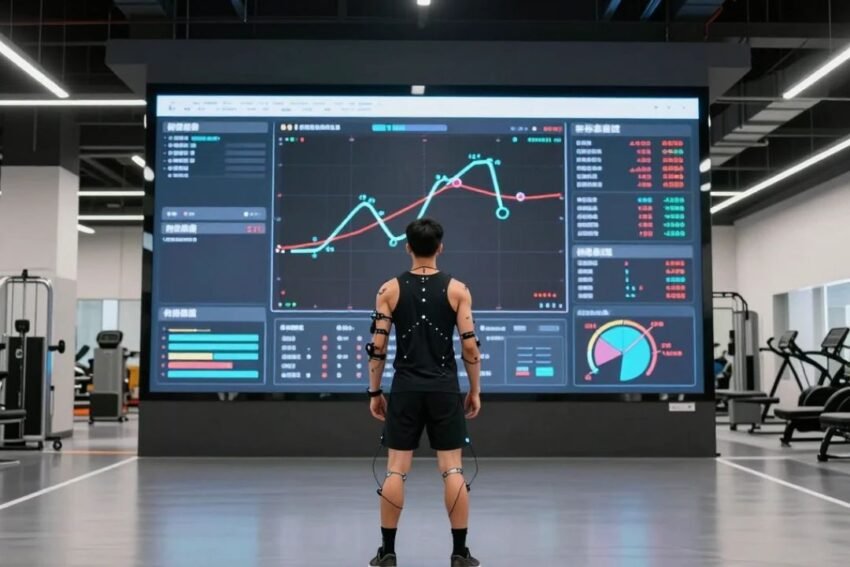
Technology has become one of the most influential forces in the sports industry, changing how athletes train, compete, recover, and achieve success. Modern sports are no longer based only on physical ability and traditional coaching methods. Today, advanced technologies such as Artificial Intelligence (AI), data analytics, machine learning, wearable devices, and performance tracking systems are helping athletes and teams reach new levels of excellence.
The rise of Tech in Sports: Cutting-Edge AI, Analytics & Performance represents a new era where data-driven decisions and intelligent solutions are becoming essential parts of competitive sports. Coaches can now analyze thousands of performance metrics, athletes can monitor their health in real time, and teams can create highly personalized strategies using advanced technology.
This article explores how AI, analytics, and innovative performance solutions are transforming sports and shaping the future of athletic competition.
The Growing Importance of Technology in Sports
Sports technology has evolved from simple training tools into advanced digital systems capable of analyzing every aspect of performance. Professional teams, athletes, and sports organizations are investing heavily in technology to gain a competitive advantage.
Modern sports technology helps with:
- Athlete performance improvement
- Injury prevention
- Training optimization
- Tactical planning
- Real-time decision-making
- Fan engagement
- Sports broadcasting
Technology allows teams to replace guesswork with accurate data and scientific analysis.
Artificial Intelligence Revolutionizing Sports Performance
Artificial Intelligence is one of the most powerful innovations transforming modern sports. AI systems can process massive amounts of information, identify patterns, and provide valuable recommendations for athletes and coaches.
AI-Based Performance Analysis
AI-powered platforms analyze:
- Player movements
- Speed and acceleration
- Game strategies
- Physical condition
- Training progress
- Opponent behavior
Coaches use these insights to create personalized training plans and improve team performance.
For example, AI can identify changes in an athlete’s movement patterns that may indicate fatigue or possible injury risks.
AI-Powered Coaching Solutions
Traditional coaching relies heavily on experience and observation, but AI is adding a new level of intelligence.
AI coaching systems can provide:
- Real-time performance feedback
- Training recommendations
- Tactical suggestions
- Skill improvement analysis
- Recovery advice
Future AI coaches may become virtual assistants that support athletes throughout their entire training journey.
The Power of Sports Analytics
Data analytics has become a major factor in modern sports success. Teams now collect enormous amounts of information from matches, training sessions, and wearable devices.
Sports analytics transforms raw data into meaningful insights.
Key Benefits of Sports Analytics
Analytics helps teams:
- Understand player strengths
- Identify weaknesses
- Improve strategies
- Predict performance trends
- Scout new talent
- Manage player workload
Many professional teams now have dedicated analytics departments that use advanced software to improve decision-making.
Real-Time Performance Tracking
One of the biggest advantages of modern sports technology is the ability to track performance instantly.
Athletes use advanced monitoring systems to measure:
- Speed
- Distance
- Heart rate
- Movement patterns
- Energy levels
- Recovery status
Real-time data allows coaches to make quick adjustments during training sessions and competitions.
Wearable Technology and Athlete Monitoring
Wearable technology has become an essential part of sports performance management.
Popular wearable devices include:
- Smart watches
- GPS trackers
- Fitness sensors
- Smart clothing
- Motion monitoring devices
These technologies collect important information about an athlete’s physical condition.
How Wearables Improve Performance
Wearables help athletes:
- Optimize training intensity
- Monitor fatigue
- Improve recovery
- Reduce injury risks
- Track progress
The combination of wearable devices and AI analytics creates powerful performance solutions.
AI and Injury Prevention in Sports
Injuries can significantly impact an athlete’s career and team success. Technology is helping prevent injuries by identifying potential risks before they occur.
AI systems analyze:
- Training workload
- Movement patterns
- Recovery data
- Physical stress
- Previous injury history
Advanced Injury Prevention Solutions
Modern technologies help medical teams:
- Detect early warning signs
- Create recovery programs
- Monitor athlete health
- Improve rehabilitation processes
This allows athletes to maintain better physical condition and return to competition safely.
Machine Learning and Predictive Analytics
Machine learning is a branch of AI that allows systems to learn from data and improve over time.
In sports, machine learning helps with:
- Performance predictions
- Player evaluation
- Game strategy analysis
- Injury forecasting
- Talent identification
Predictive analytics enables teams to make smarter decisions based on historical and real-time information.
Smart Equipment Enhancing Athletic Performance
Sports equipment is becoming more intelligent through advanced sensors and connectivity.
Examples include:
Smart Shoes
Smart footwear can measure:
- Running efficiency
- Foot pressure
- Movement patterns
- Balance
Smart Balls
Connected balls can analyze:
- Speed
- Spin
- Direction
- Impact force
Smart Rackets and Bats
These devices track:
- Swing speed
- Accuracy
- Playing technique
Smart equipment provides athletes with detailed feedback to improve their skills.
Virtual Reality and AI-Based Training
Virtual Reality (VR) combined with AI is creating new training possibilities for athletes.
VR allows players to practice realistic situations without physical competition.
Benefits of VR Sports Training
VR helps improve:
- Decision-making
- Reaction time
- Mental preparation
- Tactical understanding
- Game awareness
Sports such as football, basketball, baseball, and racing are increasingly using virtual training environments.
AI in Sports Strategy and Decision-Making
Modern teams use AI to analyze opponents and develop better strategies.
AI can evaluate:
- Team formations
- Player movements
- Competition patterns
- Strengths and weaknesses
Coaches can use these insights to make smarter tactical decisions before and during games.
Technology Improving Referee Accuracy
Technology is also improving fairness in sports competitions.
Advanced systems include:
- Video Assistant Referee (VAR)
- Goal-line technology
- Automated tracking systems
- AI-assisted decision tools
These technologies help officials make more accurate decisions and reduce human errors.
Fan Experience Through Sports Technology
Technology is transforming how fans interact with sports.
Modern digital solutions provide:
- Live statistics
- Interactive mobile applications
- Personalized content
- Virtual stadium experiences
- AI-generated highlights
Smart stadiums are becoming more connected through:
- Internet of Things (IoT)
- Artificial Intelligence
- Digital ticketing
- Automated services
Future fans will enjoy more immersive and personalized experiences.
The Role of 5G in Future Sports Technology
High-speed 5G networks are supporting the growth of advanced sports technology.
Benefits of 5G include:
- Faster data transfer
- Real-time communication
- Improved streaming
- Better device connectivity
- Enhanced virtual experiences
5G allows athletes, coaches, and fans to access information instantly.
Future Trends in AI and Sports Performance
The future of sports technology will continue to evolve through innovation.
AI Virtual Trainers
Future AI systems may provide personalized coaching by analyzing:
- Training habits
- Physical condition
- Performance goals
Digital Twins
Digital twin technology creates virtual models of athletes and sports environments to simulate performance scenarios.
Advanced Biometric Technology
Future systems may monitor:
- Hydration
- Muscle activity
- Stress levels
- Recovery quality
Fully Connected Sports Ecosystems
Future sports environments will connect athletes, coaches, equipment, and fans through intelligent digital networks.
Challenges of AI and Analytics in Sports
Although technology provides many benefits, there are challenges that need attention.
Data Privacy
Athlete performance data must be protected from unauthorized use.
High Costs
Advanced technology solutions can be expensive, especially for smaller teams.
Human Decision-Making
Technology should support coaches and athletes rather than completely replace human expertise.
Fair Competition
Sports organizations must ensure technology creates equal opportunities.
How Technology Is Defining the Future of Athletics
The combination of AI, analytics, and performance technology is creating a smarter approach to sports. Athletes can now understand their bodies better, coaches can make more informed decisions, and teams can develop strategies based on accurate information.
Technology is helping sports become:
- More scientific
- More efficient
- Safer
- More competitive
- More engaging for fans
The future of athletics will depend on the successful integration of human talent and advanced technology.
Conclusion
Tech in Sports: Cutting-Edge AI, Analytics & Performance is transforming the way athletes train, compete, and succeed. Artificial Intelligence, machine learning, wearable devices, sports analytics, and smart equipment are creating powerful solutions that improve performance and enhance decision-making.
As technology continues advancing, sports will become increasingly intelligent and data-driven. Athletes and teams that embrace these innovations will have greater opportunities to achieve excellence.
The future of sports is not only about strength and skill—it is about combining human potential with cutting-edge technology to create a smarter, faster, and more exciting world of athletics.