Introduction
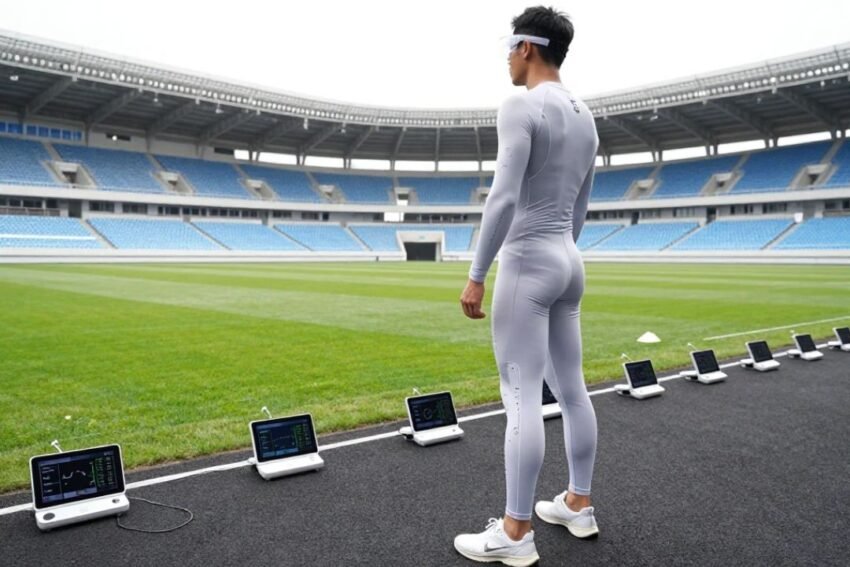
The world of sports is entering a new era where technology plays a crucial role in improving athlete performance, enhancing training methods, and creating better experiences for fans. From artificial intelligence (AI) and wearable devices to advanced analytics and smart equipment, modern innovations are changing how athletes prepare, compete, and recover.
The concept of Tech in Sports: Next-Generation Performance Solutions focuses on how emerging technologies are helping athletes achieve higher levels of performance while reducing injuries and improving decision-making. Professional teams, coaches, and sports organizations are increasingly adopting digital solutions to gain a competitive advantage.
In today’s highly competitive sporting environment, talent and hard work remain important, but technology has become a powerful tool that helps athletes unlock their full potential. This article explores the latest sports technology innovations, AI-powered solutions, and future trends shaping the next generation of athletic performance.
The Role of Technology in Modern Sports
Technology has transformed sports from traditional training methods into a data-driven ecosystem. Athletes and coaches now have access to real-time information that helps them understand performance, improve techniques, and make smarter decisions.
Modern sports technology supports:
- Performance tracking
- Injury prevention
- Personalized training
- Tactical analysis
- Recovery management
- Fan engagement
- Athlete health monitoring
Today, technology is not just an additional resource—it has become an essential part of professional sports success.
Artificial Intelligence: The Future of Sports Performance
Artificial Intelligence is one of the most powerful technologies revolutionizing athletics. AI systems can process large amounts of data and provide valuable insights that help athletes and coaches improve performance.
AI-Powered Performance Analysis
AI technology analyzes:
- Player movements
- Game strategies
- Physical condition
- Training results
- Opponent behavior
Coaches use AI-generated insights to create customized training plans and improve team performance.
For example, AI platforms can identify small changes in movement patterns that may indicate fatigue or increased injury risk.
Wearable Technology for Athlete Monitoring
Wearable technology has become one of the most important performance solutions in modern sports.
Athletes now use smart devices to track their physical activity and overall condition.
Examples of Sports Wearables
Popular wearable technologies include:
- Smart watches
- GPS tracking devices
- Smart clothing
- Heart rate monitors
- Motion sensors
- Fitness trackers
These devices collect valuable information such as:
- Running speed
- Distance covered
- Heart rate
- Calories burned
- Sleep quality
- Recovery status
Coaches analyze this data to optimize training schedules and prevent overtraining.
Smart Equipment Enhancing Athletic Skills
Traditional sports equipment is becoming smarter through advanced sensors and digital technology.
Smart Sports Gear
Examples include:
Smart Shoes
Smart footwear can analyze:
- Running patterns
- Foot pressure
- Balance
- Movement efficiency
This information helps athletes improve technique and reduce injury risks.
Smart Rackets and Bats
Connected equipment measures:
- Swing speed
- Impact force
- Accuracy
- Playing style
Athletes can use this feedback to improve their skills.
Sensor-Based Balls
Smart balls provide information about:
- Speed
- Spin
- Direction
- Impact points
These innovations are helping athletes understand and improve their performance.
Data Analytics: Turning Information Into Success
Data analytics has become a game-changing solution in professional sports.
Teams collect massive amounts of information from training sessions and competitions. Advanced analytics tools transform this data into useful strategies.
Benefits of Sports Analytics
Data-driven approaches help teams:
- Evaluate player performance
- Improve game strategies
- Identify weaknesses
- Scout new talent
- Predict future outcomes
- Manage player workload
Many successful teams now depend on analytics departments to gain competitive advantages.
AI-Based Injury Prevention and Recovery
Injuries are one of the biggest challenges in professional sports. Technology is helping teams prevent injuries before they happen.
AI systems analyze:
- Training intensity
- Player workload
- Movement patterns
- Recovery data
- Medical history
By identifying risk factors early, coaches and medical teams can adjust training programs and improve athlete safety.
Advanced Recovery Technologies
Modern recovery solutions include:
- Smart recovery devices
- Digital health monitoring
- Cryotherapy technology
- Muscle tracking systems
- Sleep analysis tools
These technologies help athletes recover faster and maintain peak performance.
Virtual Reality Training for Better Preparation
Virtual Reality (VR) is changing how athletes train and prepare for competition.
VR creates realistic environments where athletes can practice situations without physical stress.
Benefits of VR Sports Training
VR helps improve:
- Decision-making skills
- Reaction speed
- Mental preparation
- Tactical awareness
- Game understanding
Sports such as football, basketball, racing, and baseball are increasingly using VR-based training solutions.
Augmented Reality Improving Sports Experiences
Augmented Reality (AR) combines digital information with real-world environments.
AR technology is being used for:
- Interactive training
- Tactical visualization
- Real-time performance feedback
- Fan engagement
Coaches can use AR systems to display strategies and analyze player positioning during training sessions.
Robotics in Athletic Training
Robotics is becoming another important area in sports technology.
Robotic systems assist athletes and coaches through:
- Training simulations
- Equipment testing
- Rehabilitation support
- Performance measurement
Robots can repeat specific movements consistently, allowing athletes to practice and improve techniques.
Digital Twins: A New Era of Performance Optimization
Digital twin technology creates virtual models of athletes, equipment, or sports environments.
These digital models allow teams to simulate different situations and predict possible outcomes.
Applications of Digital Twins in Sports
They can help with:
- Training optimization
- Injury prediction
- Equipment improvement
- Strategy development
- Performance forecasting
Digital twins represent one of the most exciting future technologies in sports.
Smart Stadiums and Fan Experience
Technology is not only improving athletes—it is also transforming how fans experience sports.
Smart stadiums use:
- Internet of Things (IoT) devices
- AI security systems
- Mobile applications
- Digital ticketing
- Interactive displays
Fans can enjoy:
- Real-time statistics
- Personalized content
- Virtual experiences
- Faster services
The future stadium will be more connected, convenient, and interactive.
Next-Generation Sports Broadcasting
Technology is changing how people watch sports.
Modern broadcasting solutions include:
- Ultra-high-definition video
- Virtual reality viewing
- Multiple camera angles
- AI-generated highlights
- Real-time statistics
Artificial Intelligence helps broadcasters create personalized experiences for viewers around the world.
The Impact of 5G on Sports Technology
5G connectivity is enabling faster communication between devices and systems.
Benefits of 5G in sports include:
- Real-time data transmission
- Faster video streaming
- Improved stadium connectivity
- Enhanced virtual experiences
- Better IoT performance
With 5G networks, athletes, coaches, and fans can access information instantly.
Future Trends in Sports Technology
The future of sports technology will continue developing through innovation and artificial intelligence.
AI Virtual Coaches
Future AI systems may provide:
- Personalized training advice
- Real-time feedback
- Performance recommendations
- Strategy suggestions
Advanced Biometric Monitoring
Future devices may track:
- Muscle activity
- Hydration levels
- Stress levels
- Recovery conditions
Autonomous Sports Equipment
Smart equipment may become capable of adjusting automatically based on athlete needs and performance goals.
Fully Connected Sports Ecosystems
Future sports environments will connect athletes, coaches, fans, and technology platforms through intelligent digital systems.
Challenges of Next-Generation Sports Technology
Although technology provides many advantages, it also creates challenges.
Data Privacy
Athlete performance data must be securely managed to prevent misuse.
High Costs
Advanced technology solutions may be expensive, limiting access for smaller organizations.
Technology Dependence
Excessive dependence on technology could reduce human judgment and traditional coaching methods.
Fair Competition
Sports organizations must ensure technology creates equal opportunities rather than unfair advantages.
How Technology Is Shaping the Future of Athletics
Next-generation performance solutions are creating a smarter and more efficient sports environment. Athletes can now train more effectively, coaches can make better decisions, and teams can improve strategies through accurate data.
Technology is also making sports safer by reducing injuries and improving recovery methods. As artificial intelligence, analytics, and connected devices continue evolving, the relationship between sports and technology will become even stronger.
The future athlete will not only depend on physical ability but will also benefit from advanced digital tools that enhance performance and maximize potential.
Conclusion
Tech in Sports: Next-Generation Performance Solutions represents the future of modern athletics. Artificial Intelligence, wearable technology, smart equipment, sports analytics, virtual reality, robotics, and digital platforms are transforming how athletes train, compete, and recover.
These innovations are helping professionals achieve better results while improving safety, efficiency, and fan experiences. As technology continues advancing, sports will become more intelligent, connected, and data-driven.
The combination of human talent and cutting-edge technology will define the next generation of athletic success, creating a future where innovation plays a central role in achieving excellence.