Introduction
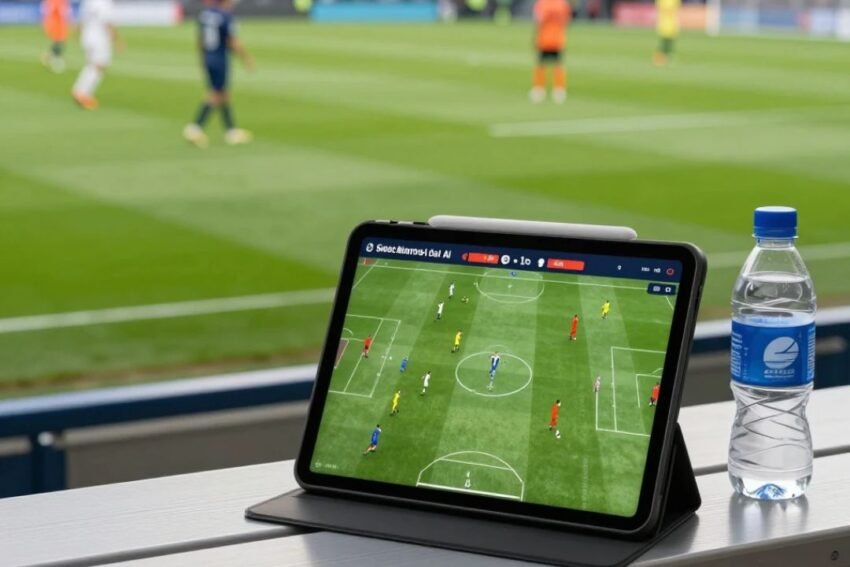
Technology has become one of the most powerful forces transforming the sports industry. From professional leagues to amateur competitions, advanced technologies are changing how athletes train, how coaches make decisions, how fans experience games, and how teams improve performance. The combination of sports technology, artificial intelligence (AI), data analytics, wearable devices, and digital platforms is creating a new era of smarter, faster, and more competitive sports.
The topic of Tech in Sports: Game-Changing Innovations & AI highlights how modern technology is revolutionizing every aspect of athletics. AI-powered analysis, smart equipment, virtual reality training, and real-time performance tracking are helping athletes reach new levels while improving accuracy and fairness in competitions.
In this article, we explore the latest sports technology innovations, AI applications, and digital trends shaping the future of sports in 2026.
The Growing Importance of Technology in Sports
Sports have always relied on talent, strategy, and physical ability, but technology has introduced a new dimension of performance improvement. Teams and athletes now use advanced tools to analyze data, prevent injuries, and make better decisions.
Modern sports technology helps with:
- Player performance analysis
- Injury prevention
- Training optimization
- Game strategy development
- Fan engagement
- Referee decision-making
- Athlete health monitoring
Technology is no longer just an advantage—it has become an essential part of professional sports.
Artificial Intelligence Is Changing the Sports World
Artificial Intelligence is one of the biggest technological breakthroughs in sports. AI systems can analyze massive amounts of data, identify patterns, and provide valuable insights that were impossible to obtain manually.
AI Applications in Sports
Performance Analysis
AI-powered platforms analyze:
- Player movements
- Speed and acceleration
- Passing accuracy
- Shooting techniques
- Tactical decisions
- Physical condition
Coaches use these insights to develop personalized training programs and improve team strategies.
AI-Based Game Predictions
Sports organizations use AI algorithms to predict:
- Match outcomes
- Player performance
- Injury risks
- Team strengths and weaknesses
Although sports remain unpredictable, AI helps teams make more informed decisions.
Automated Video Analysis
AI can analyze thousands of hours of game footage within minutes. It identifies important moments, player positioning, and tactical patterns, helping coaches prepare better strategies.
Wearable Technology Improves Athlete Performance
Wearable technology has become one of the most important innovations in modern sports.
Athletes use smart devices to monitor their physical condition and training progress.
Popular Sports Wearables
Examples include:
- Smart watches
- Fitness trackers
- GPS performance sensors
- Smart clothing
- Heart rate monitors
- Motion tracking devices
These tools collect real-time information about:
- Heart rate
- Speed
- Distance covered
- Sleep quality
- Recovery levels
- Muscle workload
Coaches and medical teams use this data to improve performance and reduce injury risks.
Smart Equipment Enhances Sports Performance
Technology has improved traditional sports equipment by making it smarter and more efficient.
Smart Sports Gear
Examples include:
Smart Bats and Rackets
Advanced equipment can measure:
- Swing speed
- Impact strength
- Accuracy
- Technique
Smart Shoes
Modern athletic shoes include sensors that analyze:
- Running style
- Foot pressure
- Movement patterns
- Energy efficiency
Smart Balls
Connected sports balls can track:
- Speed
- Spin
- Direction
- Impact location
These innovations help athletes improve their skills through detailed feedback.
Virtual Reality and Augmented Reality in Sports Training
Virtual Reality (VR) and Augmented Reality (AR) are transforming athlete training methods.
Virtual Reality Training
VR allows athletes to practice realistic game situations without physical competition.
Benefits include:
- Improved decision-making
- Mental preparation
- Tactical training
- Reaction improvement
For example, quarterbacks, goalkeepers, and racing drivers can use VR simulations to practice high-pressure situations.
Augmented Reality Experiences
AR technology enhances real-world environments by adding digital information.
Applications include:
- Interactive training sessions
- Real-time statistics
- Enhanced fan experiences
- Tactical visualization
Data Analytics and Big Data in Sports
Data analytics has become a major factor in sports success.
Teams now collect and analyze huge amounts of information from:
- Games
- Training sessions
- Player movements
- Fitness measurements
- Opponent performance
Benefits of Sports Analytics
Data-driven decisions help teams:
- Identify player strengths
- Improve strategies
- Scout talent
- Manage injuries
- Optimize training schedules
Many professional teams now rely heavily on analytics departments to gain a competitive advantage.
AI and Injury Prevention
One of the biggest challenges in sports is preventing injuries. Technology and AI are helping teams identify potential risks before serious problems occur.
AI systems analyze:
- Training intensity
- Player workload
- Movement patterns
- Recovery data
- Previous injuries
By identifying warning signs early, medical teams can create better recovery plans and reduce downtime for athletes.
Technology in Refereeing and Decision-Making
Technology has significantly improved fairness and accuracy in sports officiating.
Modern Referee Technologies
Examples include:
- Video Assistant Referee (VAR)
- Goal-line technology
- Hawk-Eye tracking systems
- Automated decision systems
These technologies help officials make more accurate decisions and reduce human errors during important moments.
Fan Experience Through Digital Innovation
Technology is not only improving athletes and teams—it is transforming how fans experience sports.
Digital Fan Engagement
Modern sports organizations use:
- Mobile applications
- Virtual stadium experiences
- Live statistics
- Social media platforms
- Interactive content
- AI-powered recommendations
Fans can now access real-time information, watch personalized content, and connect with teams in new ways.
Streaming Technology and the Future of Sports Viewing
Digital streaming platforms have changed how people watch sports.
Modern streaming technology offers:
- Live matches anywhere
- Multiple camera angles
- Instant replays
- Real-time statistics
- Personalized viewing options
Artificial Intelligence helps improve streaming by recommending content and creating customized experiences for viewers.
Robotics and Automation in Sports
Robotics is another emerging area in sports technology.
Robots are being used for:
- Training assistance
- Equipment testing
- Stadium operations
- Data collection
- Athlete rehabilitation
Robotic systems can perform repetitive tasks while providing accurate measurements and analysis.
Esports and Technology-Driven Competition
Esports represents one of the fastest-growing areas where technology and sports combine.
Competitive gaming relies heavily on:
- Advanced hardware
- Artificial Intelligence
- Online platforms
- Data analytics
- Virtual environments
Esports demonstrates how technology is creating entirely new forms of competition and entertainment.
Future Sports Technology Trends
The future of sports will continue to be shaped by advanced technologies.
AI-Powered Coaching
Future coaching systems may use AI assistants to provide:
- Real-time strategy suggestions
- Training recommendations
- Performance feedback
Digital Twins in Sports
Digital twin technology creates virtual models of athletes, equipment, and stadiums to simulate performance and optimize decisions.
Advanced Biometric Monitoring
Future devices may provide deeper insights into:
- Muscle activity
- Hydration levels
- Stress response
- Recovery status
Smart Stadiums
Future stadiums will use:
- IoT devices
- AI security systems
- Automated services
- Personalized fan experiences
Challenges of Technology in Sports
While technology provides many benefits, it also creates challenges.
Data Privacy
Athlete performance data is valuable and must be protected from misuse.
Cost of Implementation
Advanced technology can be expensive, making access difficult for smaller teams.
Dependence on Technology
Excessive reliance on technology may reduce human judgment and traditional skills.
Fair Competition
Sports organizations must ensure technology creates fairness rather than unfair advantages.
How Technology Is Creating the Future of Sports
The combination of AI, analytics, wearable devices, and digital innovation is creating a smarter sports ecosystem. Athletes are becoming more efficient, coaches are making better decisions, and fans are enjoying more interactive experiences than ever before.
Technology is also making sports safer by helping prevent injuries and improving medical support. As innovations continue, the relationship between sports and technology will become even stronger.
Conclusion
Tech in Sports: Game-Changing Innovations & AI is reshaping the future of athletics in remarkable ways. Artificial Intelligence, wearable technology, data analytics, virtual reality, smart equipment, and digital platforms are improving athlete performance, enhancing fan experiences, and making competitions more accurate and engaging.
As technology continues advancing, sports will become increasingly intelligent, connected, and data-driven. Athletes and teams that embrace innovation will gain new opportunities to improve performance and achieve success.
The future of sports is not only about physical ability—it is about combining human talent with powerful technology to create a smarter and more exciting sporting world.